The Story
Dover’s Banned Books series spotlights contentious classic works of literature that have sparked debates and stood at the center of censorship battles.
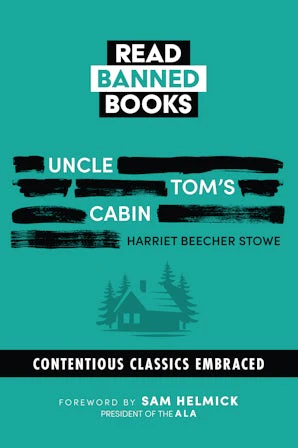
Banned in the South because of its antislavery message, Uncle Tom’s Cabin was written in response to the growing tensions between the North and the South and the passage of the Fugitive Slave Act in 1850. Selling over a million copies in its first year, the controversial book provoked outrage and censorship over Harriet Beecher Stowe’s portrayal of the brutality of slavery. In a powerful foreword, Sam Helmick, president of the American Library Association, examines the abolitionist novel's legacy and its enduring impact. Helmick sheds light on the book’s controversial themes and the history of the bans—and gives a spirited defense of the freedom of expression that they represent.
Description
Dover’s Banned Books series spotlights contentious classic works of literature that have sparked debates and stood at the center of censorship battles.
Banned in the South because of its antislavery message, Uncle Tom’s Cabin was written in response to the growing tensions between the North and the South and the passage of the Fugitive Slave Act in 1850. Selling over a million copies in its first year, the controversial book provoked outrage and censorship over Harriet Beecher Stowe’s portrayal of the brutality of slavery. In a powerful foreword, Sam Helmick, president of the American Library Association, examines the abolitionist novel's legacy and its enduring impact. Helmick sheds light on the book’s controversial themes and the history of the bans—and gives a spirited defense of the freedom of expression that they represent.