The Story
“It is the end of a family—when they begin to sell the land.”
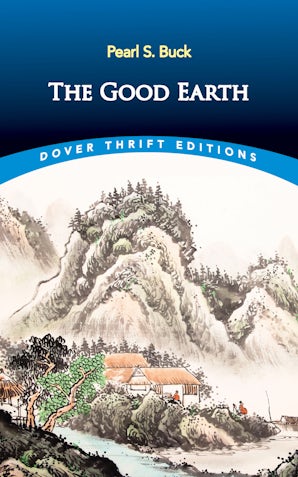
In rural China in the early twentieth century, land represents survival, wealth, status, and spiritual connection. More than a story of rising fortune, this Pulitzer Prize–winning novel is a meditation on what we lose when we abandon our roots. Experience Wang Lung’s extraordinary journey, from humble farmer to wealthy landlord—and how his relationship to the land becomes the foundation of his legacy and his family’s destiny. Witness the profound cost when that sacred bond starts to fade.
Acclaimed author and humanitarian Pearl S. Buck was born in West Virginia in 1892. She spent much of her early life in China, which profoundly influenced her writing. She earned the Nobel Prize in Literature in 1938, making her the first American woman to receive the honor.
Description
“It is the end of a family—when they begin to sell the land.”
In rural China in the early twentieth century, land represents survival, wealth, status, and spiritual connection. More than a story of rising fortune, this Pulitzer Prize–winning novel is a meditation on what we lose when we abandon our roots. Experience Wang Lung’s extraordinary journey, from humble farmer to wealthy landlord—and how his relationship to the land becomes the foundation of his legacy and his family’s destiny. Witness the profound cost when that sacred bond starts to fade.
Acclaimed author and humanitarian Pearl S. Buck was born in West Virginia in 1892. She spent much of her early life in China, which profoundly influenced her writing. She earned the Nobel Prize in Literature in 1938, making her the first American woman to receive the honor.